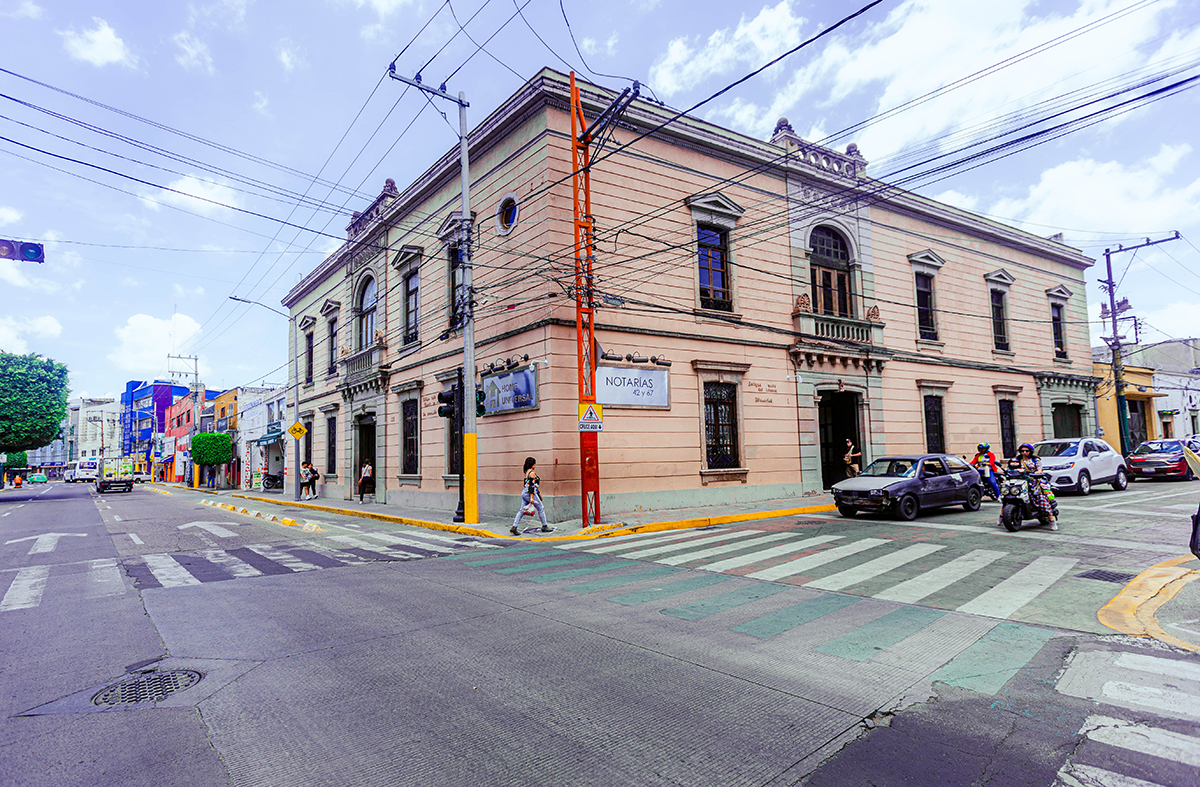
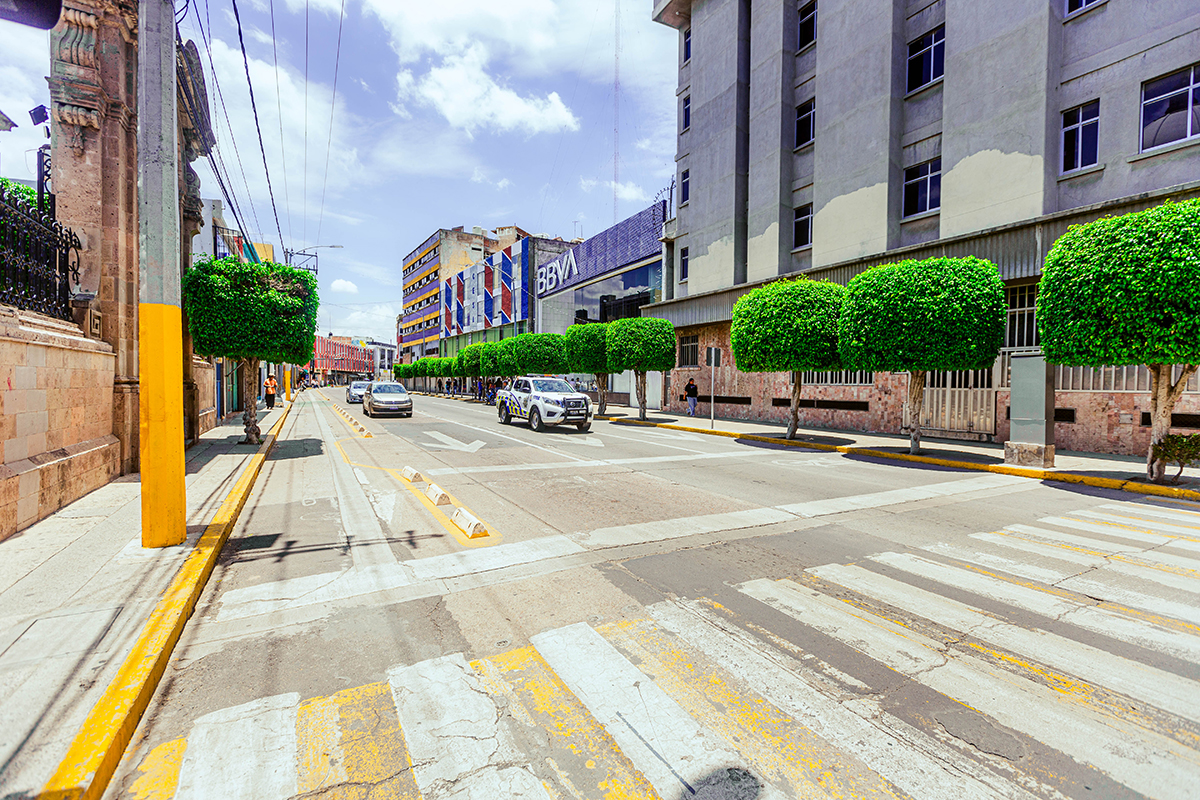
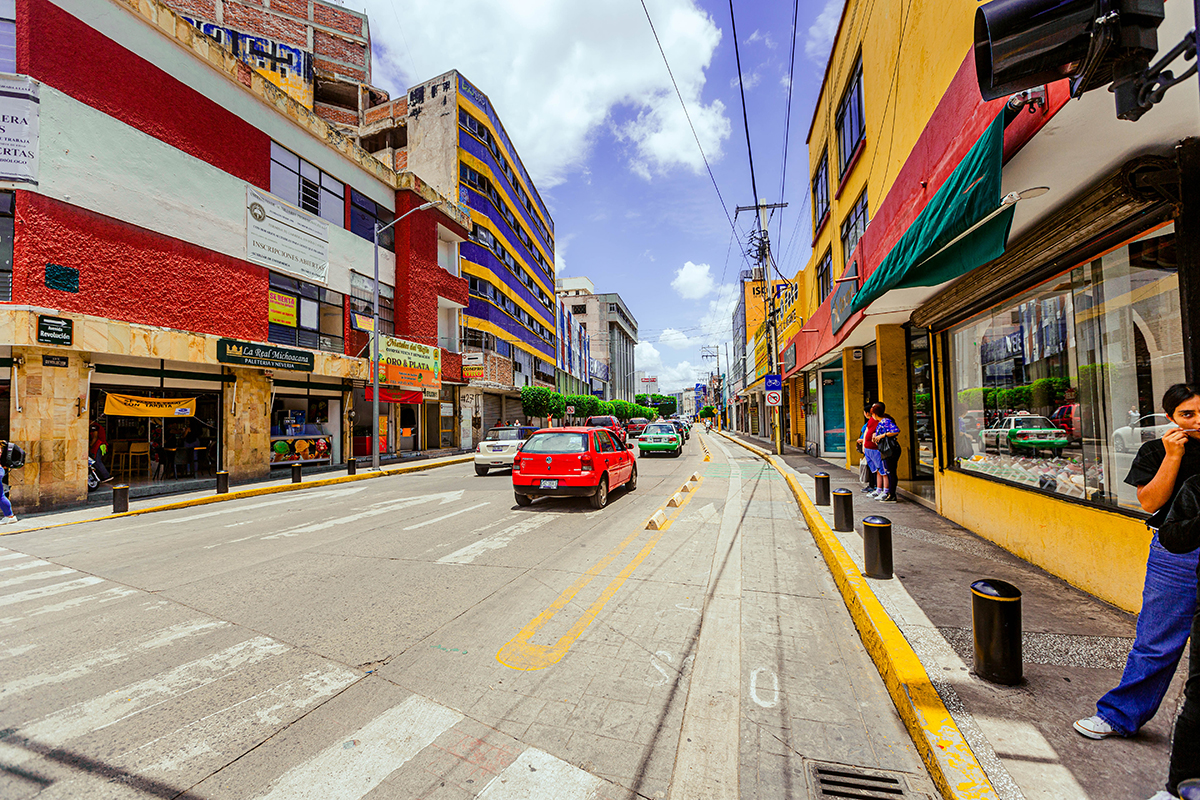
In the 1960s, the governor of the State of Guanajuato, Juan José Torres Landa, implemented an ambitious modernization plan in several municipalities: the Guanajuato plan.
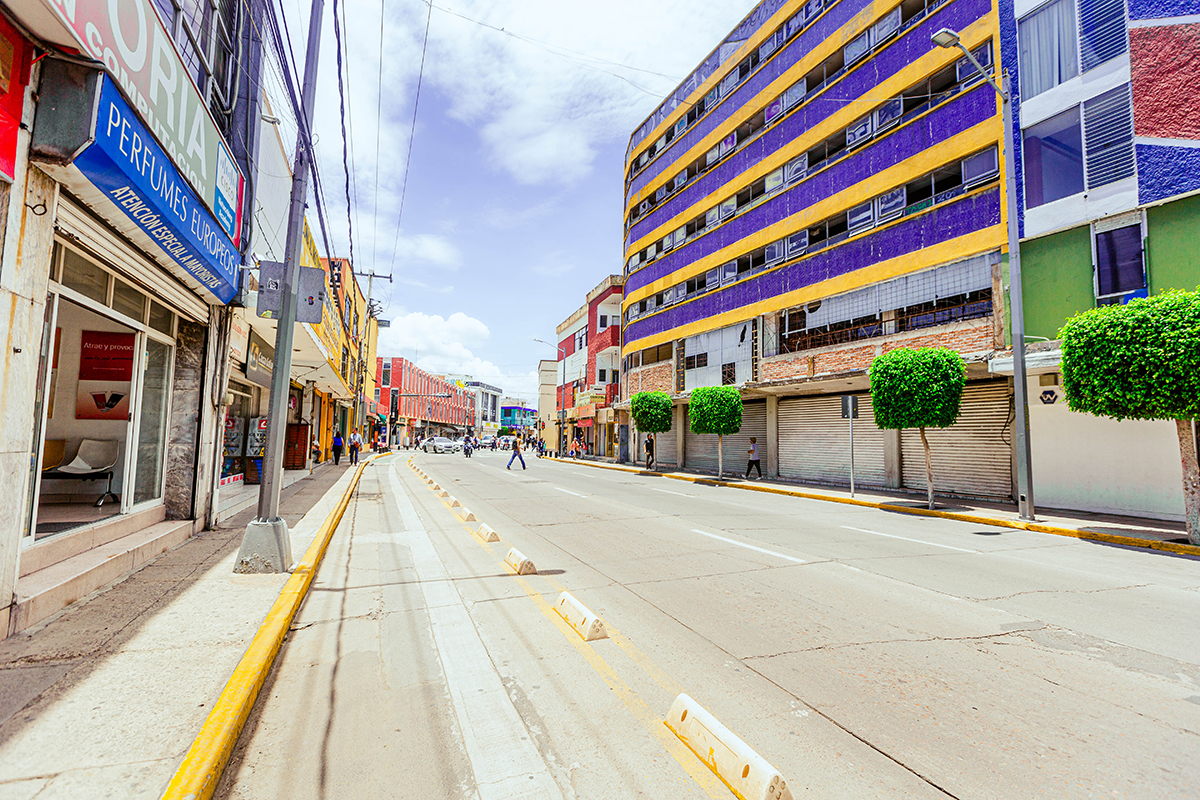
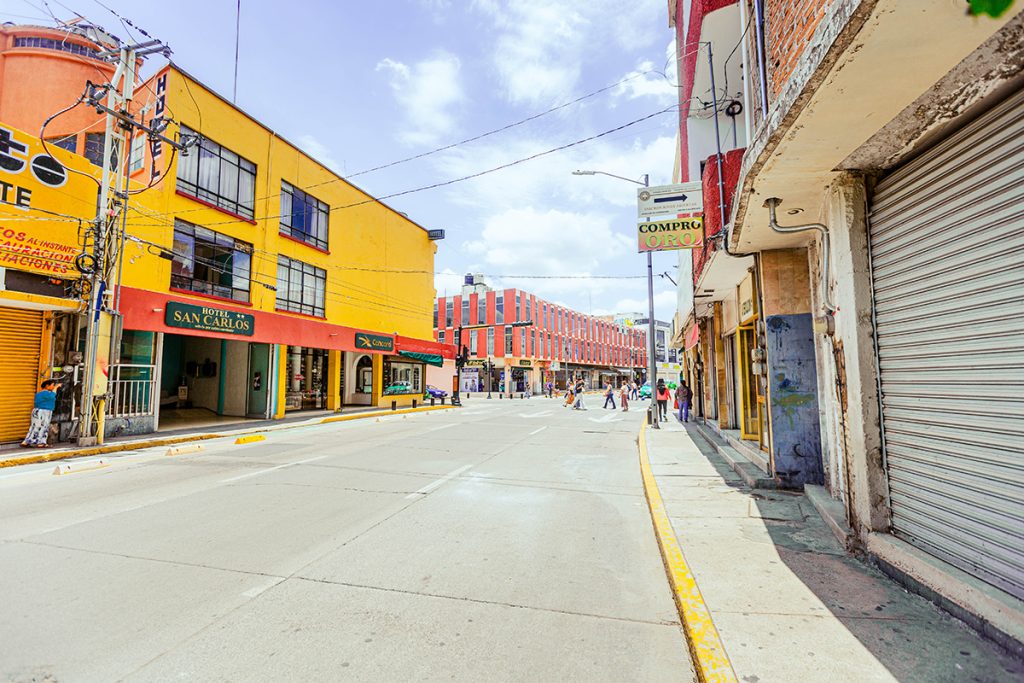
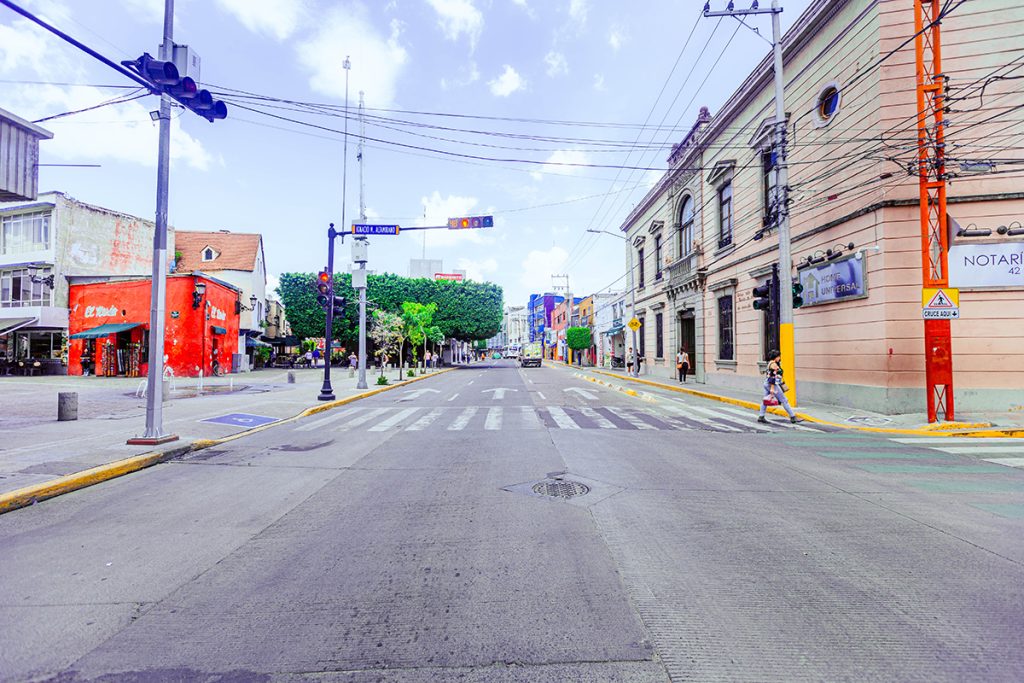
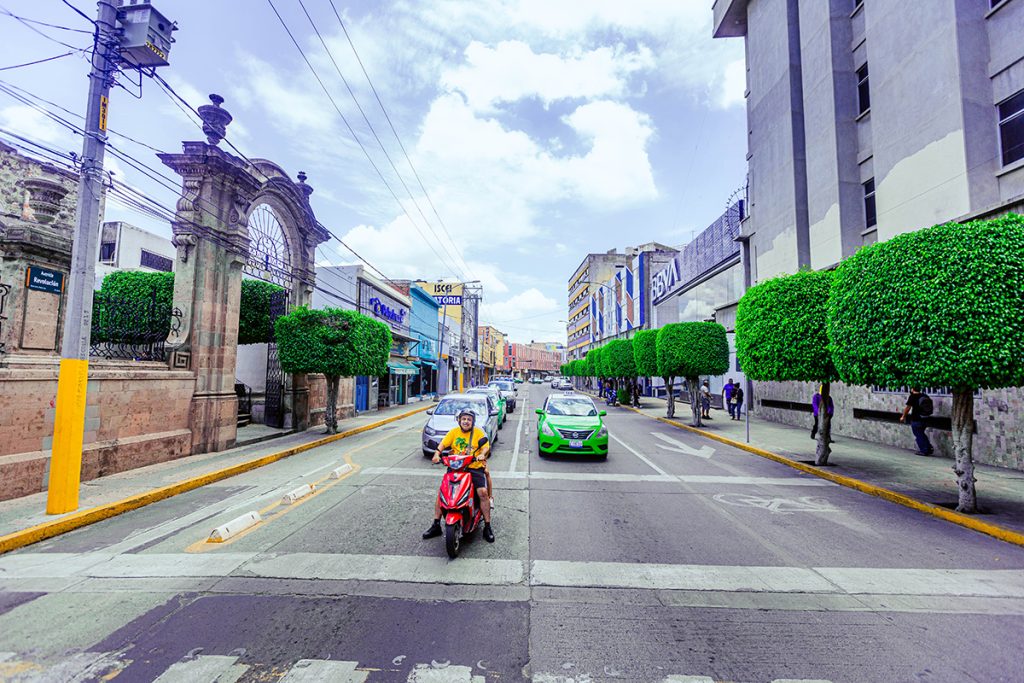
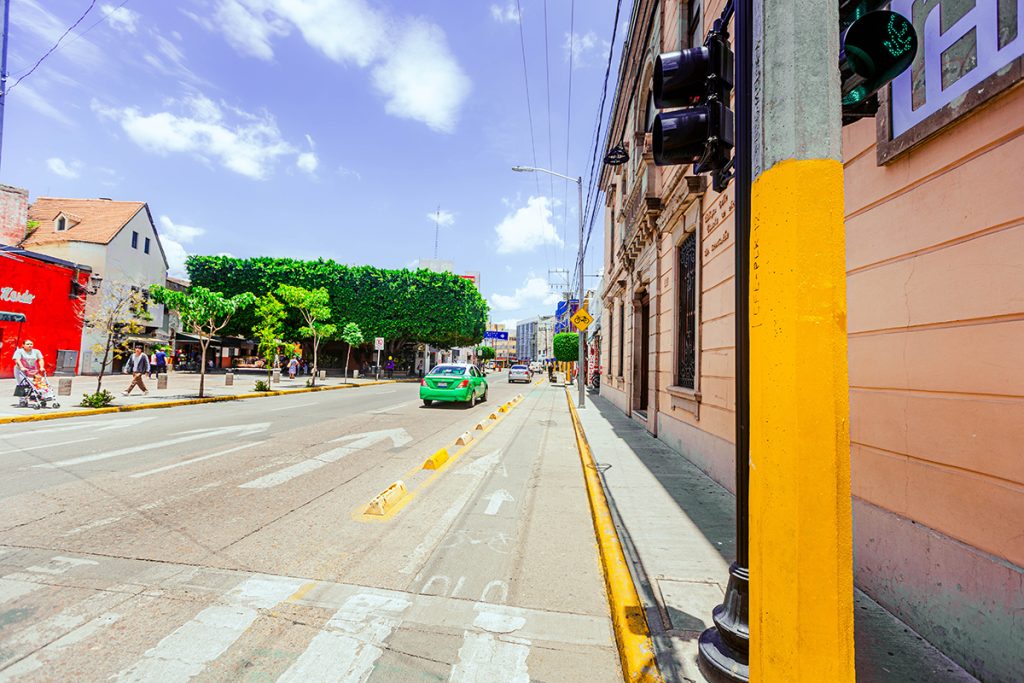
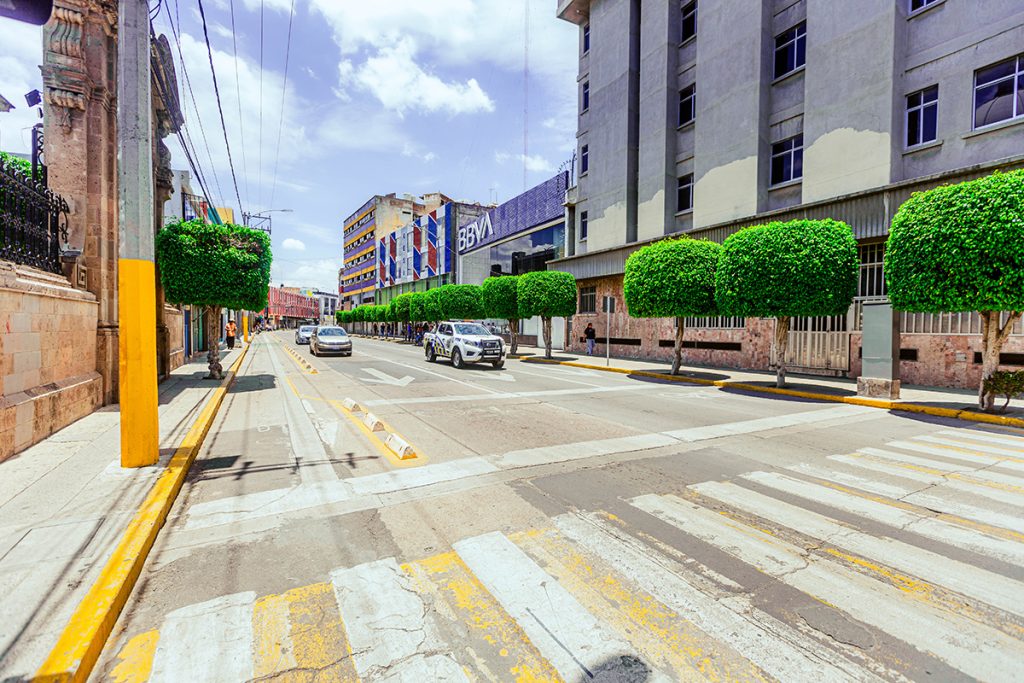
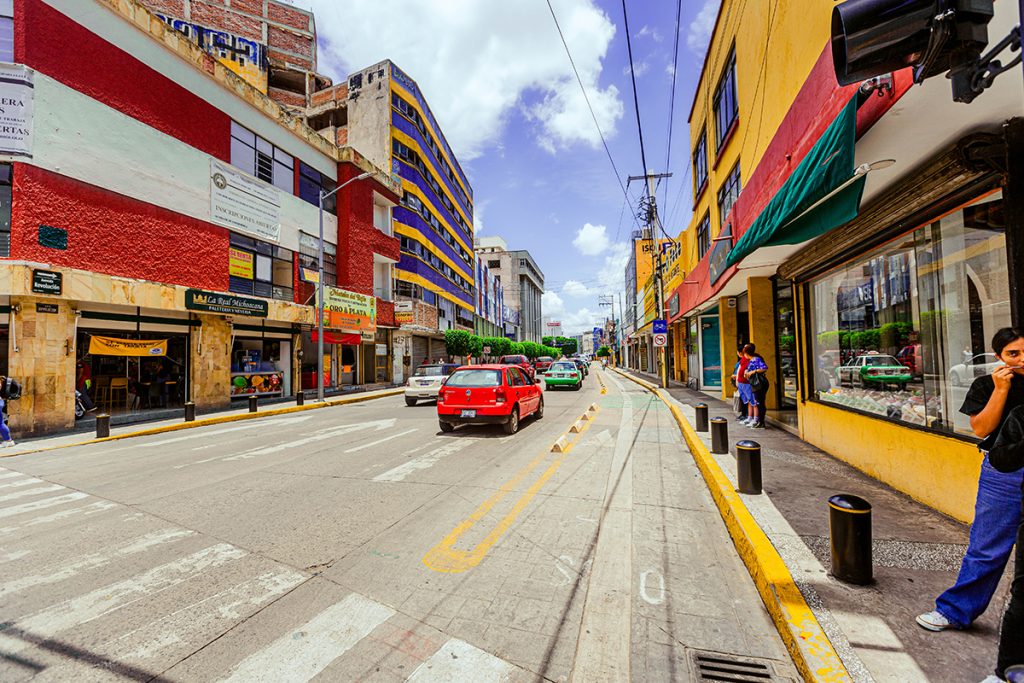
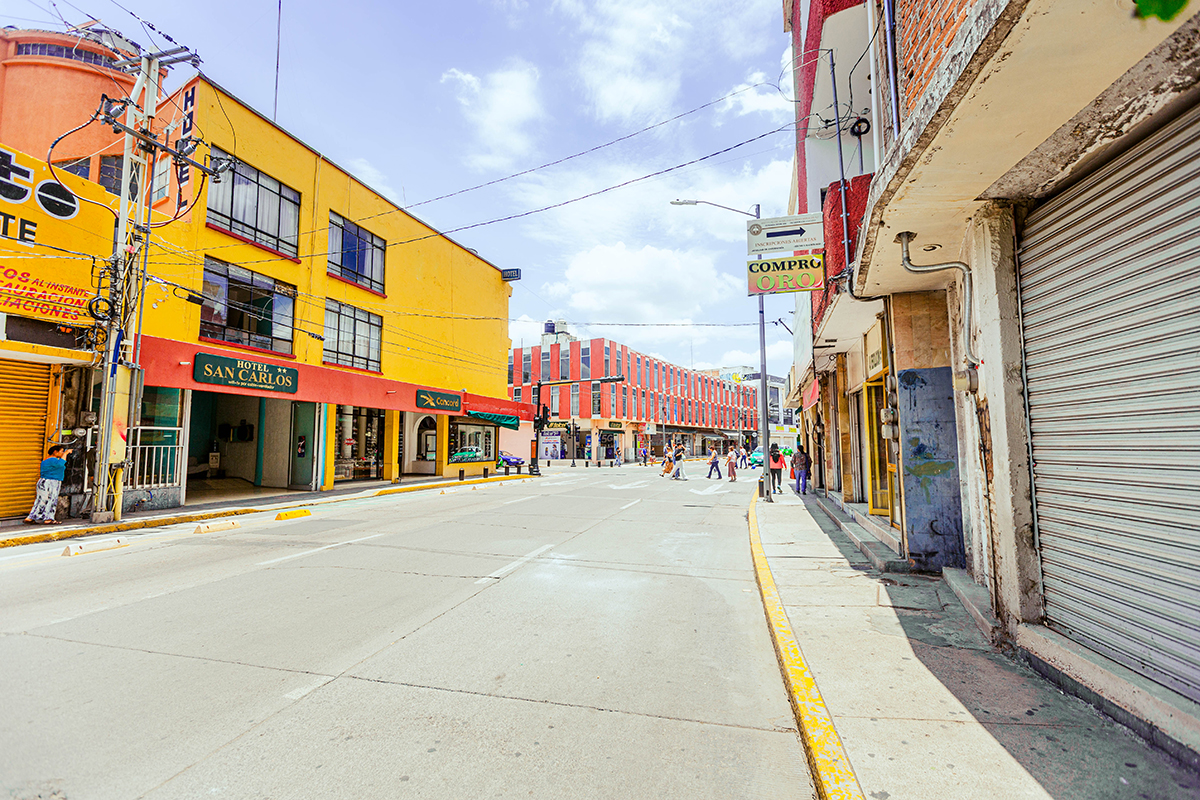
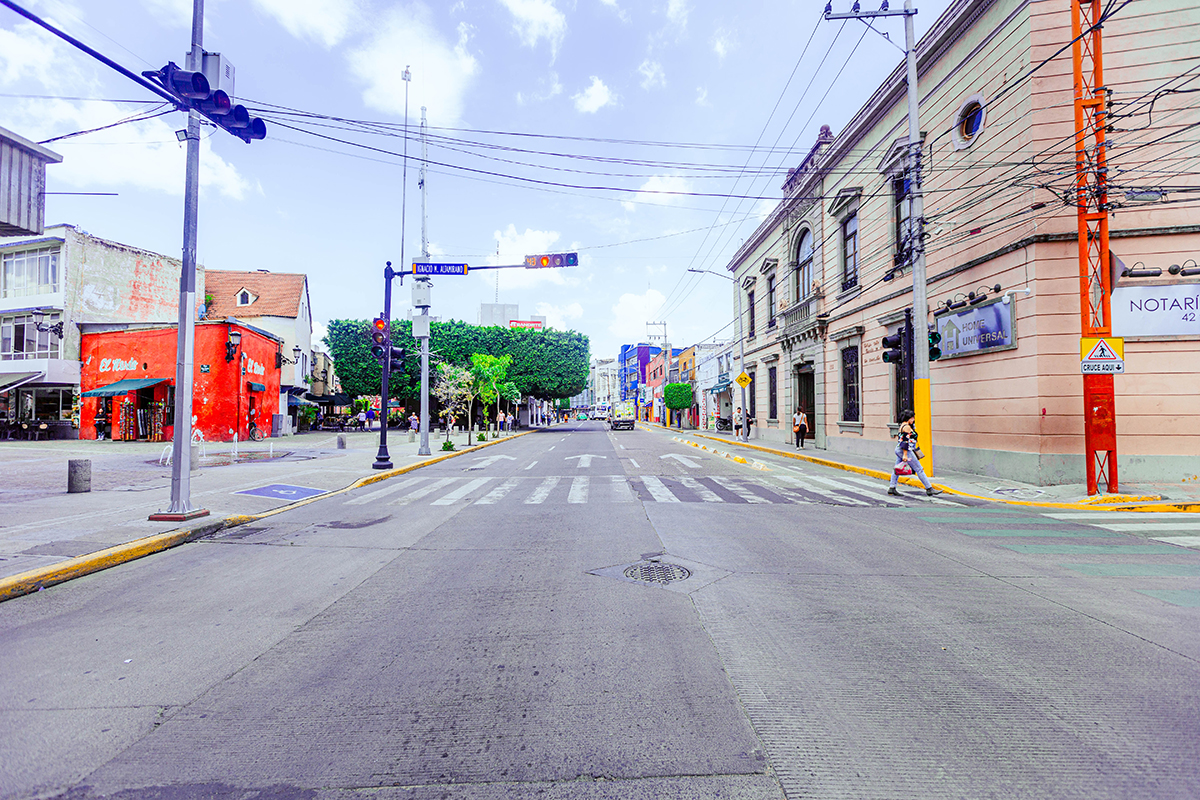
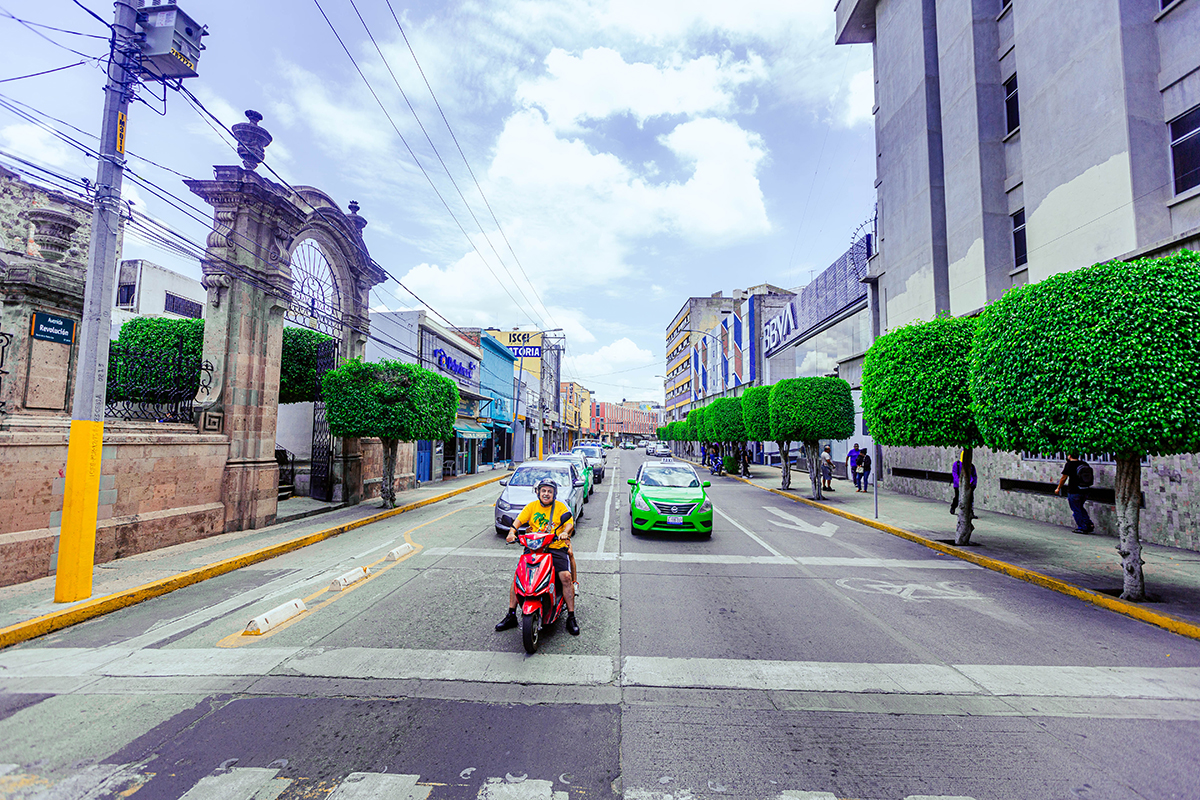
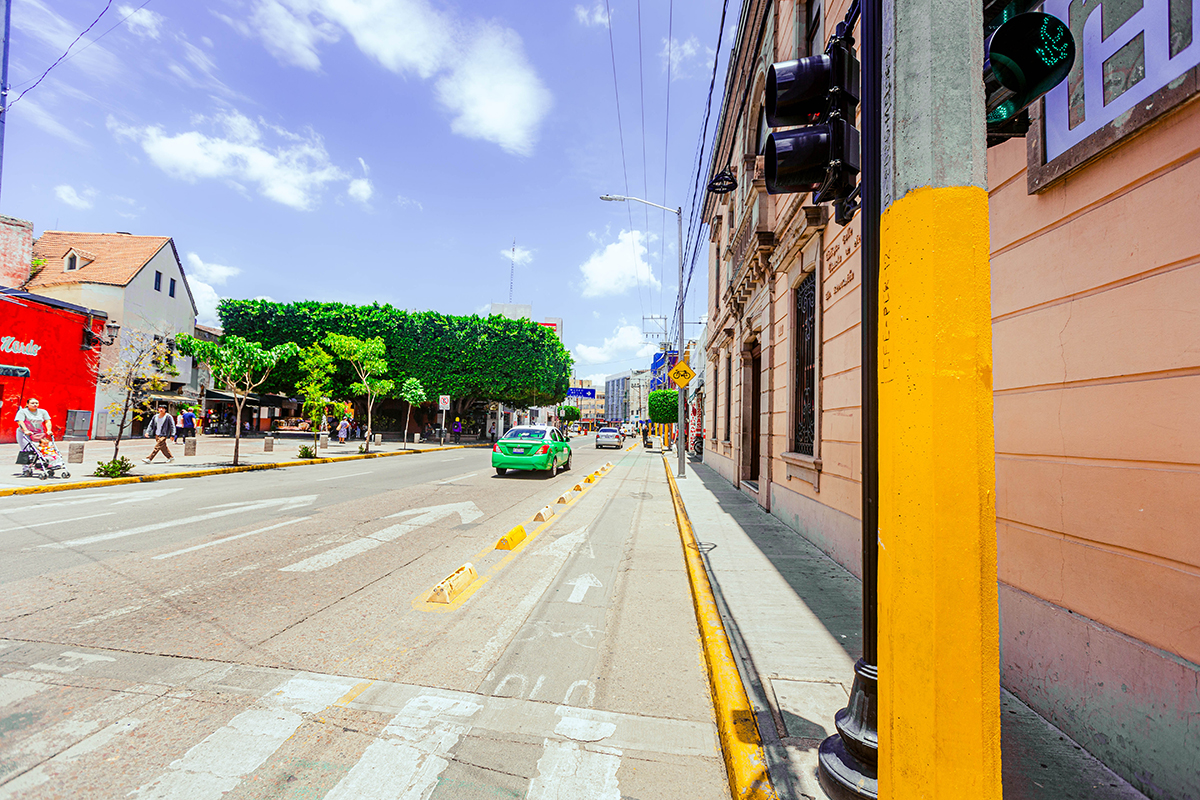
In Irapuato it meant the creation of new spaces and roads. One of those roads was Revolución Avenue, built to have a wide route to the center of the city To carry out this work, several of the narrow and irregular streets that characterize the historic center of Irapuato had to be demolished and widened.
The Irapuato of crooked streets had to give way to a modern city. Avenida Revolución represents this modernizing attempt.
Calle de las Higueras, Calle del Río Viejo, Calle Río Bravo, Calle de las Recogidas, Calle primera de San Miguel, Calle Real, Calle de Guadalupe, Calle de la Herradura; were some of the streets that had to be modified for the construction of this avenue.
By 1965 Irapuato already had a wide and direct route to tour the center of the city; to this day, Revolución Avenue is one of the most important roads. And that old Irapuato, with its crooked and narrow streets, only remained in old plans and photographs, and in the memory of some Irapuatenses who saw it in their youth.